Research from genes to patient care
USC ADRC studies approach Alzheimer’s disease and related dementias from many angles, from genetics and brain imaging to clinical care, with the goal of finding better ways to detect, treat, and prevent them.


USC ADRC studies approach Alzheimer’s disease and related dementias from many angles, from genetics and brain imaging to clinical care, with the goal of finding better ways to detect, treat, and prevent them.



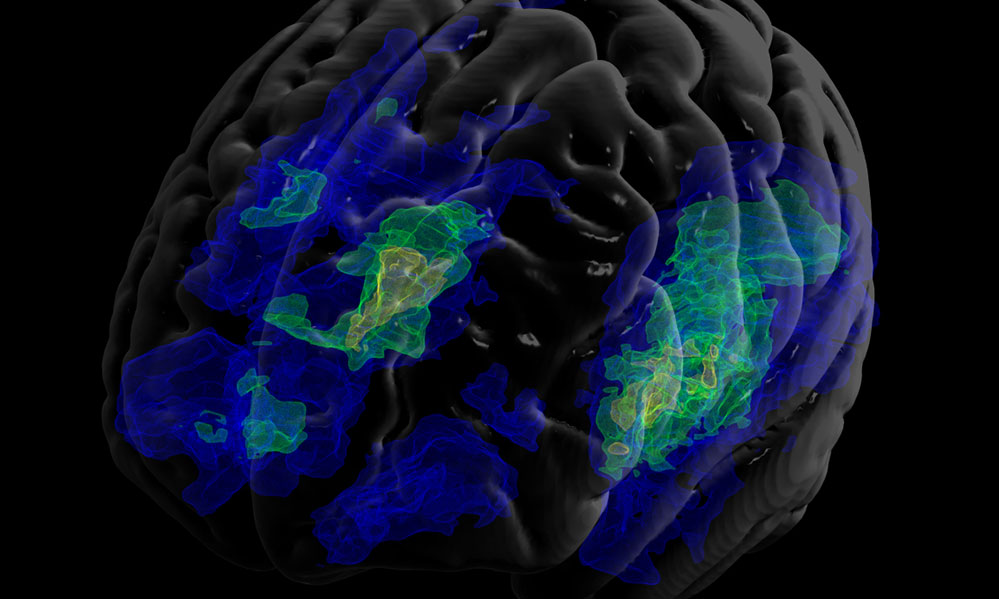
Problems with the brain’s blood vessels can contribute to both Alzheimer’s disease and vascular contributions to cognitive impairment and dementia (VCID). This study develops new imaging measures of blood vessel function that may show how vascular problems drive these conditions.
Contact to learn more: elizabeth.joe@med.usc.edu
Many people with dementia have more than one underlying cause, known as multi-etiology dementia. Because most studies focus on one disease at a time, they can miss how these causes interact. CLARiTI brings standardized brain imaging to the national ADRC network so researchers can better identify the biological signs of each cause.
Contact to learn more: elizabeth.joe@med.usc.edu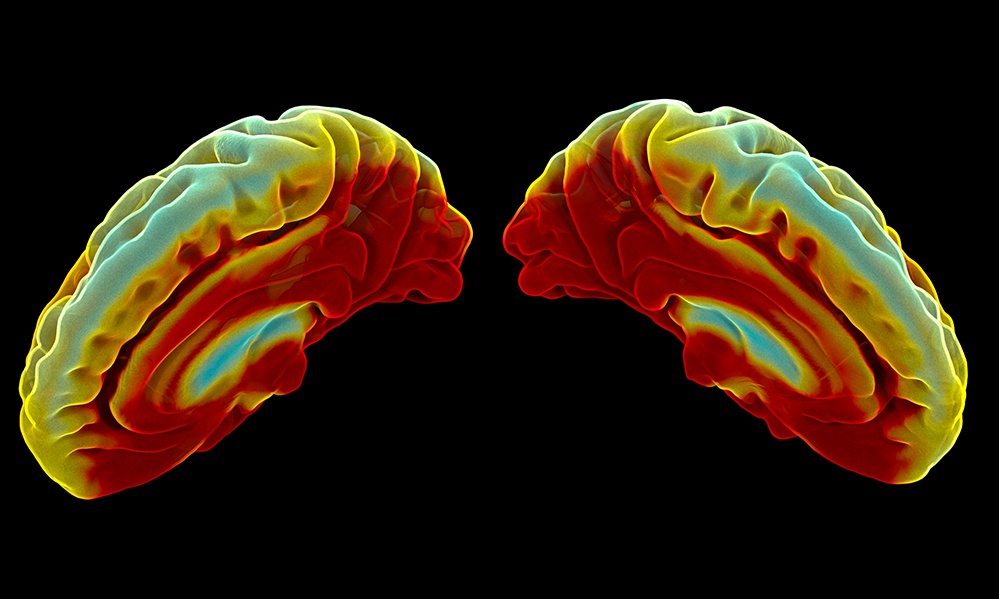
LATE is a recently recognized brain change that causes memory loss in older adults. This multi-site study, led by investigators at UC Irvine, uses the ADRC network to better identify LATE and prepare participants for future clinical trials.
What’s involved: Yearly clinical and memory assessments, MRI scans, and blood draws; a PET scan every two years; brief assessments completed during daily life; participation in studies on recruitment and trial planning; and brain examination after death.
Contact to learn more: lilibeth.barrera@med.usc.edu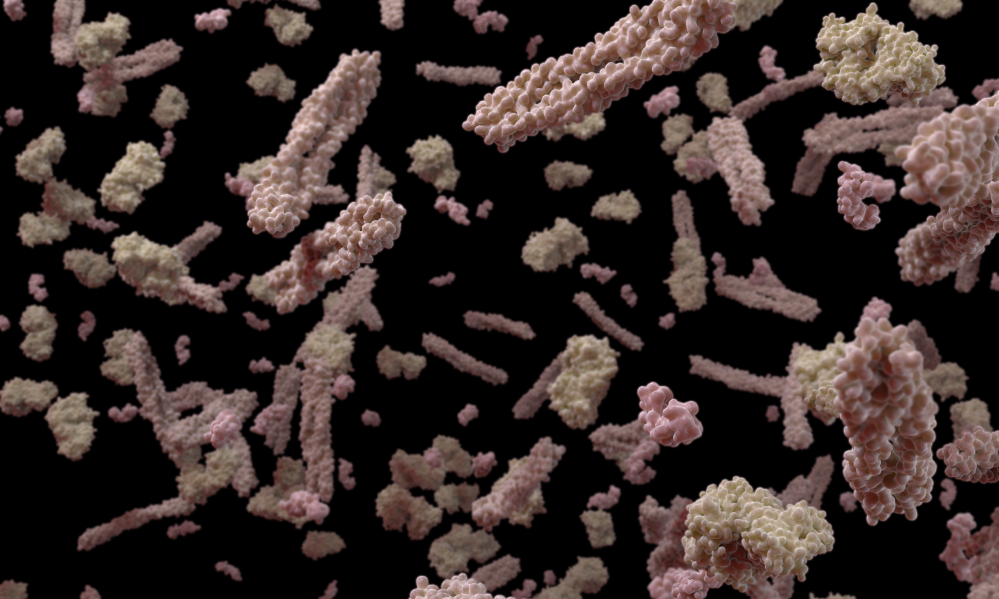
In some families, a single gene change can pass Alzheimer’s disease from parent to child. This is called autosomal dominant Alzheimer’s disease (ADAD). For decades, USC ADRC investigators have worked with these families through observational studies and clinical trials testing ways to prevent or treat the disease. The ADRC supports a team of physicians, neuropsychologists, geneticists, imaging specialists, and neuropathologists.
Contact to learn more: John.Ringman@med.usc.edu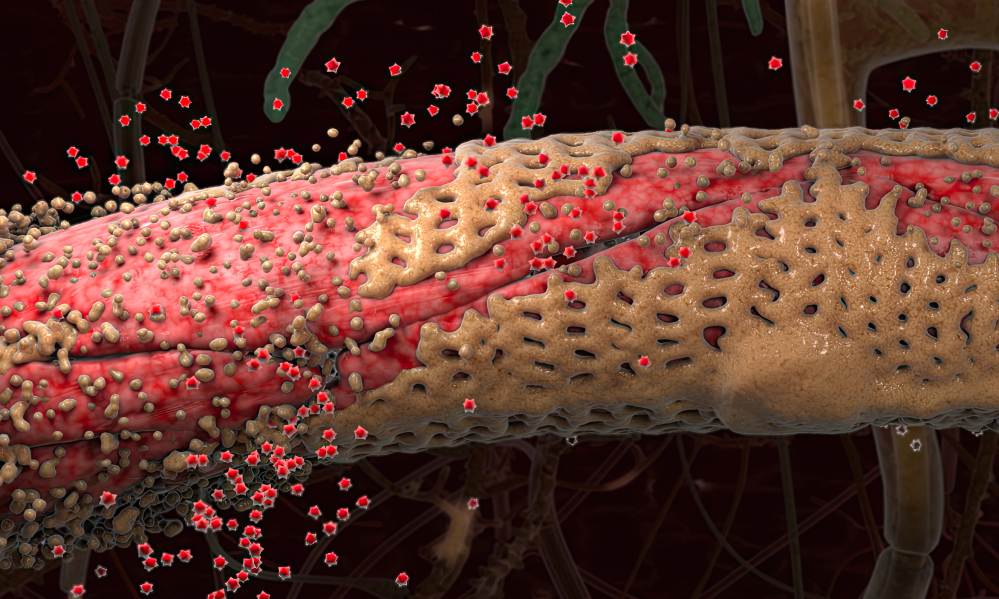
This study explores how genetic risk and changes in the brain’s blood vessels may raise the risk of Alzheimer’s disease. Researchers track markers in blood and spinal fluid and changes in brain structure over time, with the goal of detecting Alzheimer’s earlier and finding new ways to treat dementia.
Who can join: English- or Spanish-speaking adults age 45 or older.
What’s involved: Medical exams, tests of memory and daily function, MRI brain scans, blood tests, and a spinal fluid test. Participants receive modest compensation for visits to USC.
Contact to learn more: elizabeth.joe@med.usc.edu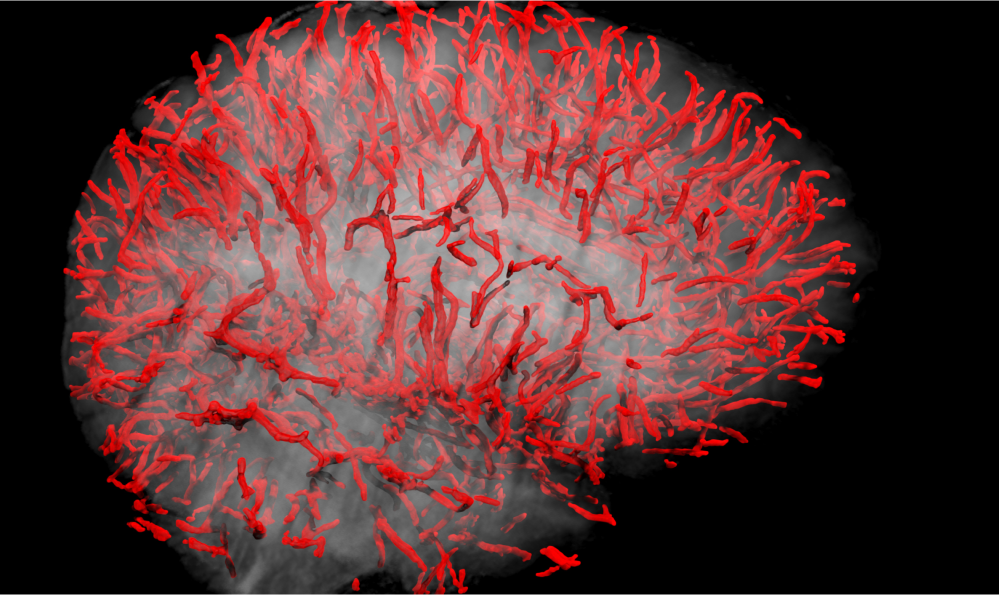
Blood vessel health has long been a central focus of the USC ADRC. Risk factors such as high blood pressure and diabetes are linked to a higher risk of Alzheimer’s disease, especially among underrepresented ethnic groups. This ADRC-funded study follows participants over time, using advanced MRI and spinal fluid tests to measure the health of the blood-brain barrier and the brain’s blood vessels.
Who can join: Adults over 60 with normal thinking or mild cognitive impairment and low, medium, or high cardiovascular risk based on blood pressure, cholesterol, and blood sugar.
What’s involved: Yearly visits with the ADRC Clinical Core.
Contact to learn more: Helena.Chui@med.usc.edu
This long-term study examines how diabetes affects the brain’s networks and how those changes relate to memory and thinking over time. The findings may inform future prevention and treatment strategies.
Contact to learn more: elizabeth.joe@med.usc.edu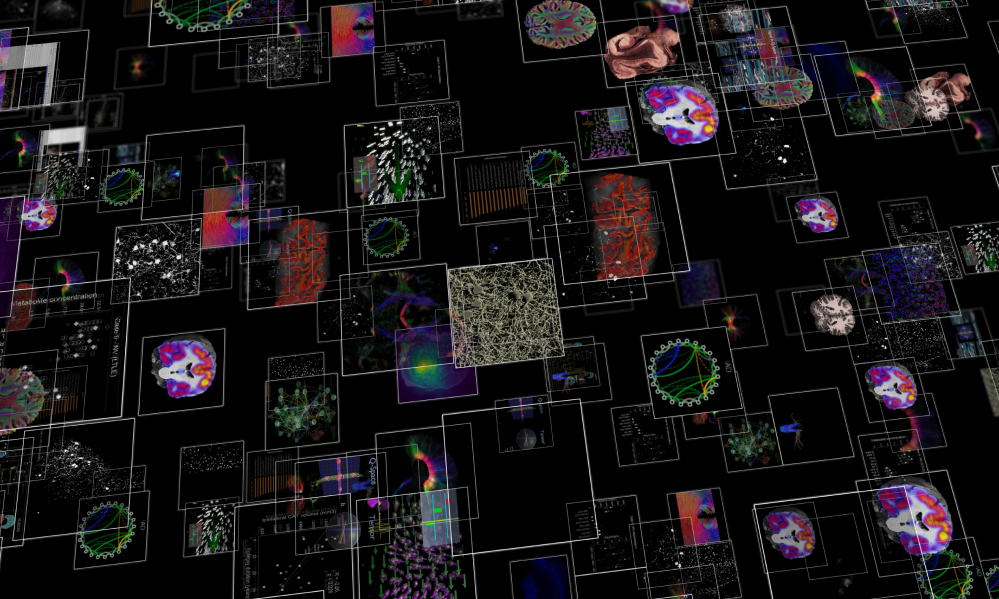
This multi-center study measures injury to the brain’s white matter, the connections between brain regions, and how that injury affects thinking and health. The goal is to guide more personalized care for people with white matter changes.
Contact to learn more: Elizabeth.Joe@med.usc.edu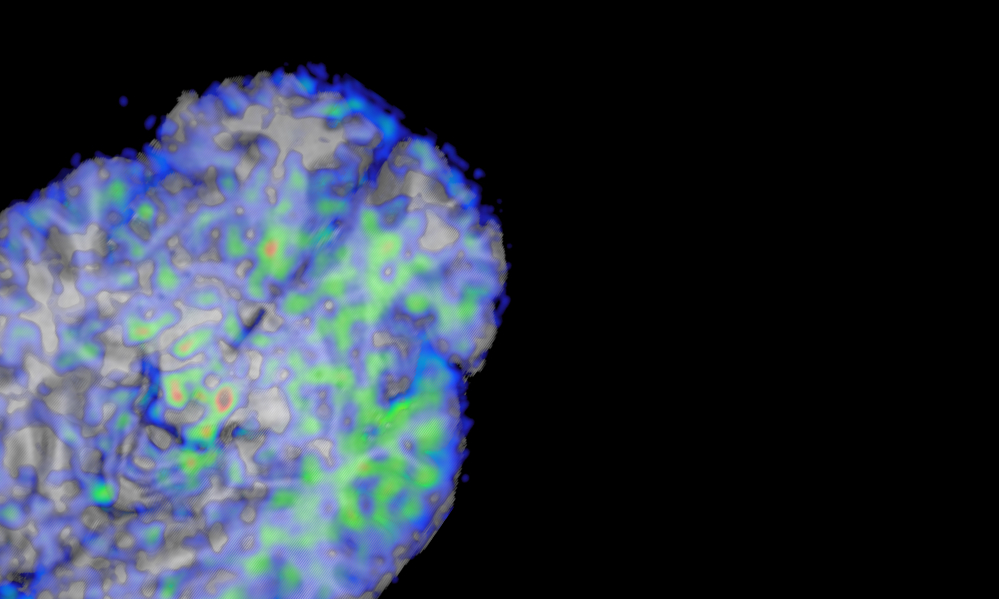
People with mild cognitive impairment or mild Alzheimer’s disease respond differently than healthy people when carbon dioxide levels in the blood change. The DVR project studies how the brain regulates its blood flow and oxygen supply, together called cerebral perfusion, and how changes in that regulation relate to memory and thinking.
Contact to learn more: Elizabeth.Joe@med.usc.edu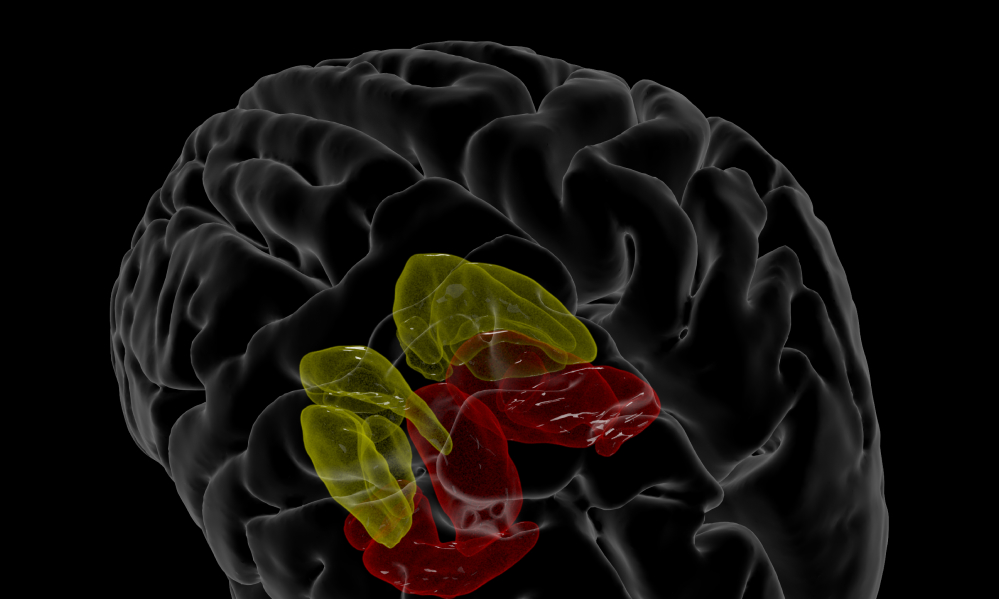
DHA is an omega-3 fatty acid. Observational studies link DHA to cognitive health, but clinical trials have produced conflicting results. This pilot study examines the relationship between DHA intake and thinking skills, especially in people who carry the APOE4 gene variant, which raises Alzheimer’s risk.
Contact to learn more: hyassine@usc.edu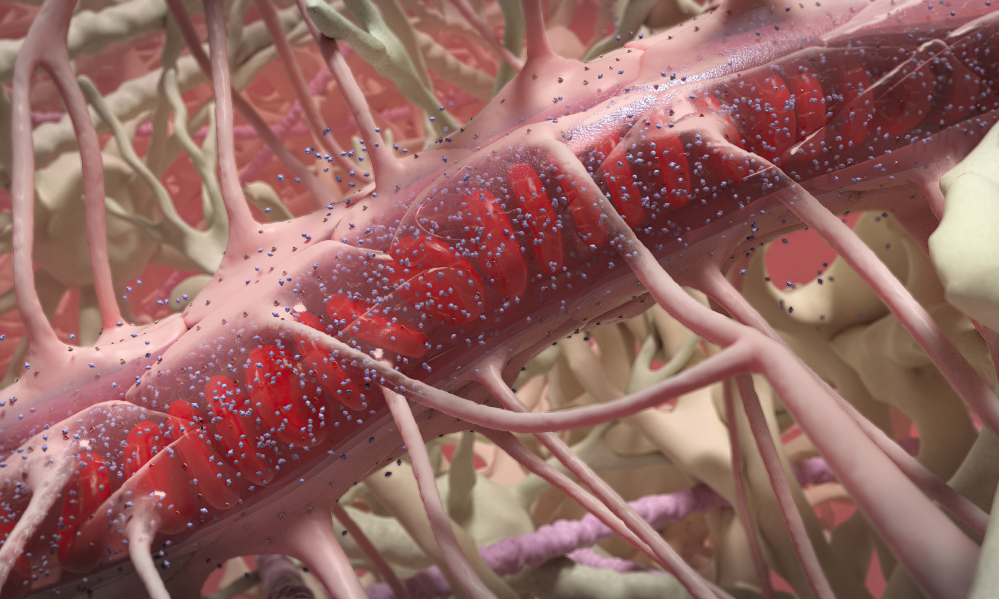
Researchers at the NIA-funded ADRCs have been collecting different types of PET and MR images using various acquisition methods for many years. Because of this, image data could not be easily combined across ADRCs, resulting in lost opportunities for scientific collaboration. The goal of SCAN is to standardize PET and MRI data collection from across the ADRC Program so that it can be combined and shared with researchers worldwide via the NACC Data Platform.
Contact to learn more: Elizabeth.Joe@med.usc.edu
We study how genes such as APOE4 raise or lower the risk of Alzheimer’s disease and related dementias, and how they affect memory and biological markers of disease.
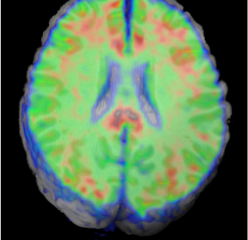
We develop advanced MRI and PET methods and biomarkers that may detect Alzheimer’s earlier and track how it progresses.

We run clinical trials of potential new treatments, including anti-amyloid therapies, and work to turn lab discoveries into better patient care.

We study how social, environmental, and health care factors shape dementia risk and outcomes, and we include communities underrepresented in research so our findings apply to more people.
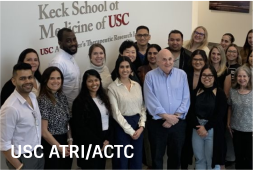

The ADRC supports the USC Alzheimer’s Therapeutics Research Institute (ATRI) and the Alzheimer’s Clinical Trials Consortium (ACTC) with informatics, biomarker development, recruitment of participants from underrepresented groups, and training for clinical researchers.
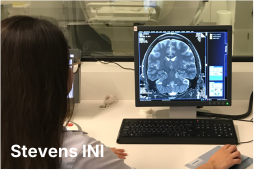
The ADRC and the Mark and Mary Stevens Neuroimaging and Informatics Institute (Stevens INI) at the Keck School of Medicine of USC develop new MRI methods and test them in participants who already have standardized brain scans.
Together, the ADRC and the Stevens INI train scientists in neuroimaging, advanced brain imaging, informatics, data analytics, and artificial intelligence. Through its Laboratory of Neuro Imaging (LONI), the Stevens INI also supports national data-sharing initiatives.
The ADRC Research Education Component works with the USC Resource Center for Minority Aging Research (RCMAR) to support research on population trends and health disparities in dementia.
The USC Center for Personalized Brain Health links ADRC research with USC’s clinical enterprise. It helps build a participant registry, recruit physician-scientists, and grow memory clinics.